Wondering whether face exercises for acne can clear your skin or make breakouts worse? The sources here show no proof that they treat breakouts; the first step for mild acne, per AAD guidance, is benzoyl peroxide or a topical retinoid.
This page is part of our wider guide to facial exercises.
| Item | Value |
|---|---|
| People in the United States with acne vulgaris | 50 million persons |
| Direct costs of acne each year | More than $3 billion |
| First-line treatment for mild acne | Benzoyl peroxide or a topical retinoid |
| Antibiotics used alone (topical or oral) | Not recommended as monotherapy |
| When to reassess systemic antibiotics | After three to four months |
These figures come from the American Family Physician summary of the AAD guidelines, published in 2017. Guidance and numbers can change, so check the source before you rely on them.
Do face exercises help acne?
Face exercises are designed to work the muscles of the face, not to treat skin disease. The American Family Physician summary of the AAD guidelines, published in 2017, discusses medicines and hormonal options, and the part we reviewed does not list exercises as a treatment.
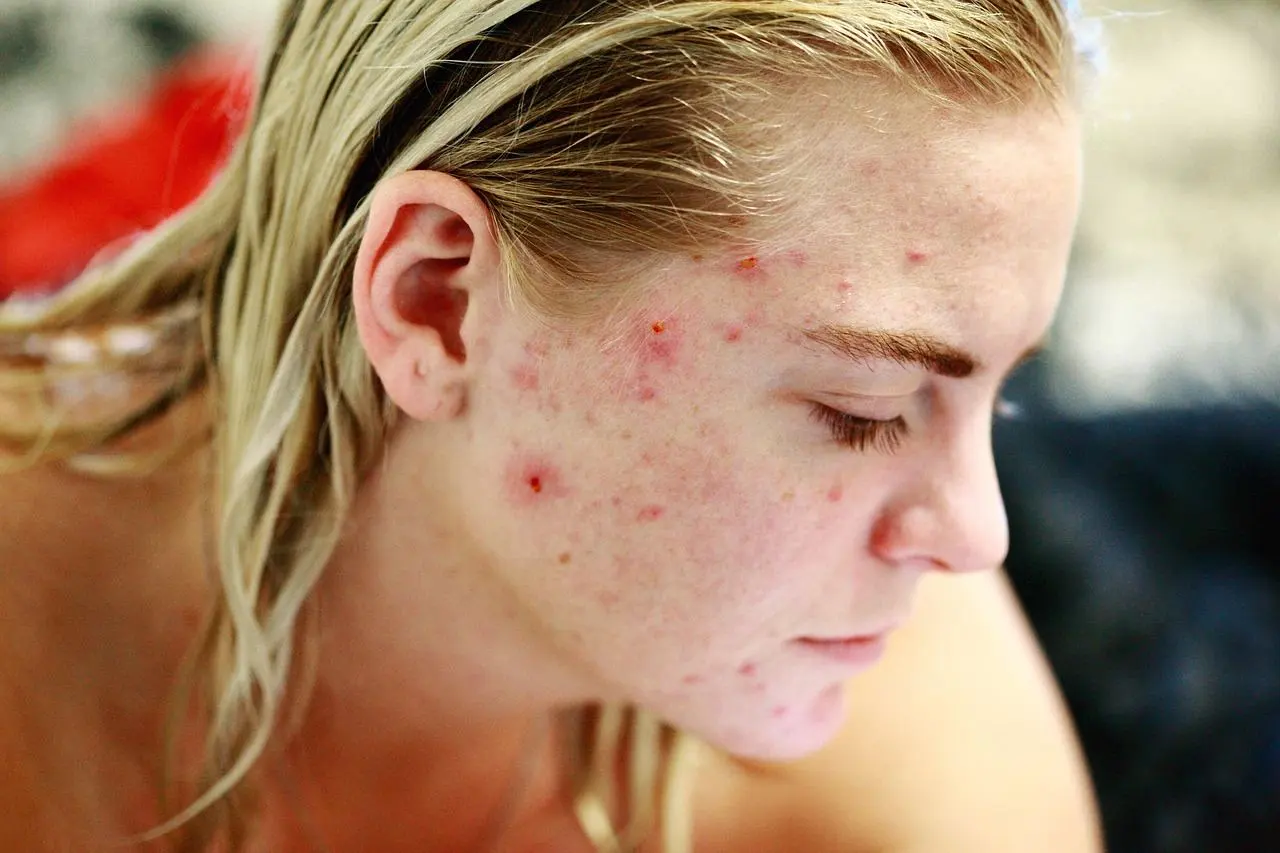
That gap matters. Acne is common and costly: the same summary says it occurs in 50 million persons living in the United States and carries more than $3 billion in direct costs annually, so it is a medical condition worth treating properly.
So treat any claim that a facial workout “clears” breakouts with caution. Nothing in the sources supports it, and we will not promise it.
What dermatology guidance recommends instead
As of the American Family Physician summary of June 2017, the guidance centres on proven topical and oral medicines. The key points for mild acne are simple.
- First-line treatment for mild acne includes benzoyl peroxide or a topical retinoid, or a combination of topical medications.
- Topical or oral antibiotics should not be used as monotherapy, because of the risk of developing resistance.
- Antibiotics should be prescribed for the briefest possible time, and their use assessed after three to four months.
The summary also says the benefit of sulfur, nicotinamide, resorcinol, sulfacetamide, aluminum chloride, or zinc has not been supported by data. If even those products lack support, an unproven exercise routine deserves the same scepticism. Read the full wording at the AFP page.
How to fit face exercises around acne-prone skin
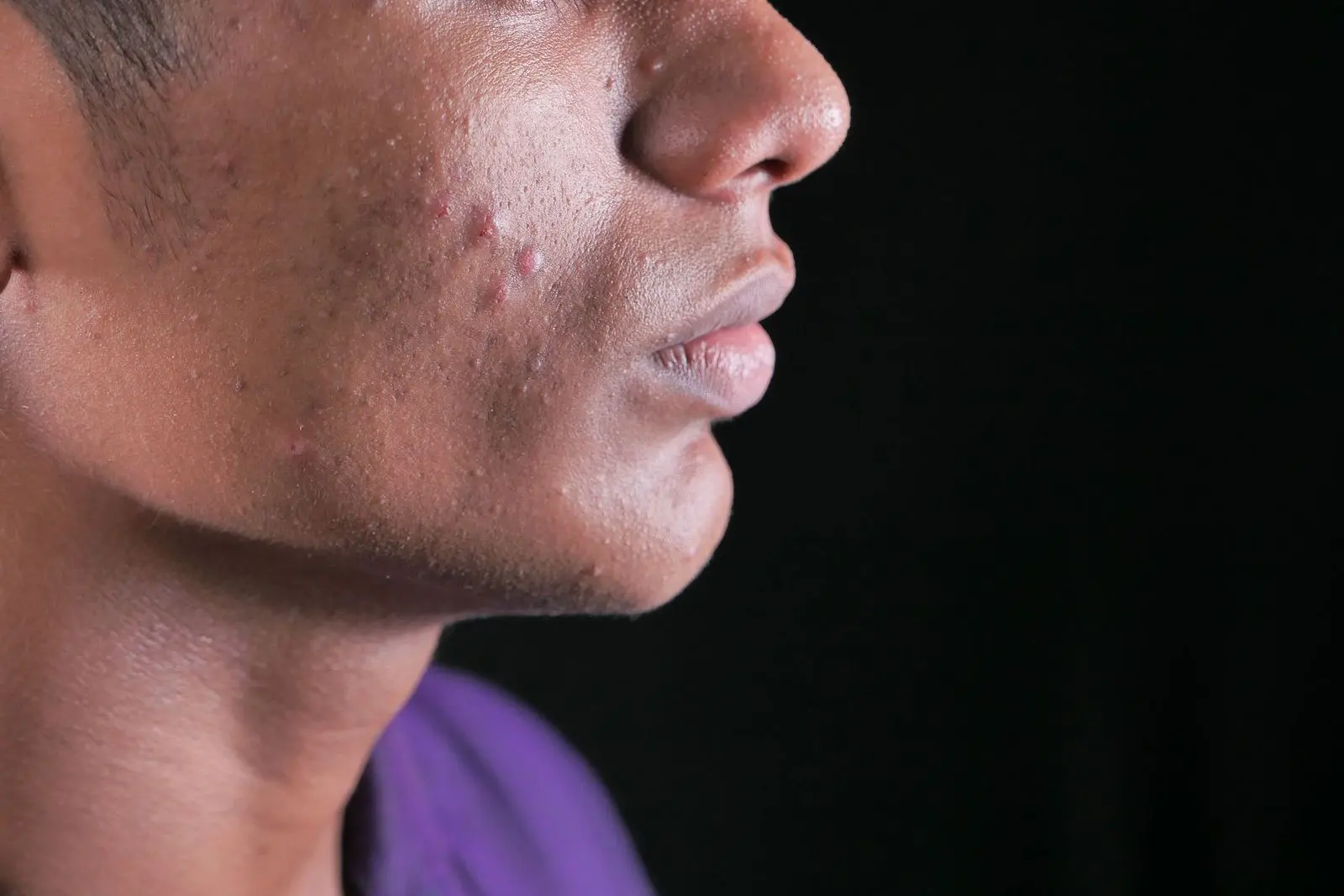
If you still want to exercise your face for muscle tone, you can do it without working against your skin. These steps are common-sense habits, not a medical protocol.
- Wash your hands and start with a clean, makeup-free face so you do not press dirt into your skin.
- Choose gentle, slow movements and avoid rubbing, dragging or pressing hard on your skin.
- Skip areas that are sore, swollen or inflamed, and never squeeze or pick spots during a session.
- Stop if your skin looks more irritated afterwards, and go back to your usual skincare.
- Keep taking any treatment you have been prescribed, because exercises are not a substitute.
Think of the routine as a companion to skincare, never a replacement for it.
When should you see a doctor about acne?
See a doctor if breakouts are painful, spreading, scarring, or hurting your confidence. The AFP summary notes that acne is associated with physical and psychological harm, including scarring, poor self-image and depression.
It also explains that the choice of topical agent is based on patient age, acne sites and severity, and patient preference. For moderate to severe acne, options in the 2017 summary include oral antibiotics, and in females, combined oral contraceptives or spironolactone.
A clinician can match treatment to your skin. That is something no exercise routine can do.
Setting realistic expectations
Exercises may firm and tone, but they will not replace treatment. If you want to pace your effort, read our guide on how long to see results from face exercises.
Before you start, it also helps to know the face exercise mistakes that can irritate sensitive skin.
Frequently asked questions
Can face exercises cause acne?
Show answer
The sources reviewed do not show that they do. Even so, rubbing or pressing a face that is already irritated is a sensible thing to avoid.
What is the first thing to try for mild acne?
Show answer
According to the 2017 AFP summary of AAD guidance, treatment starts with benzoyl peroxide or a topical retinoid, or a mix of topical medications. A pharmacist or doctor can help you choose.
Should I use antibiotics on their own?
Show answer
No. The same summary warns against using them alone, since resistance can develop, and says benzoyl peroxide or a retinoid should follow to maintain results.
Is it safe to exercise my face during a breakout?
Show answer
If skin is inflamed or sore, pausing is the cautious choice. Gentle movements on calm areas are less likely to cause trouble, and a doctor can advise you on your own skin.