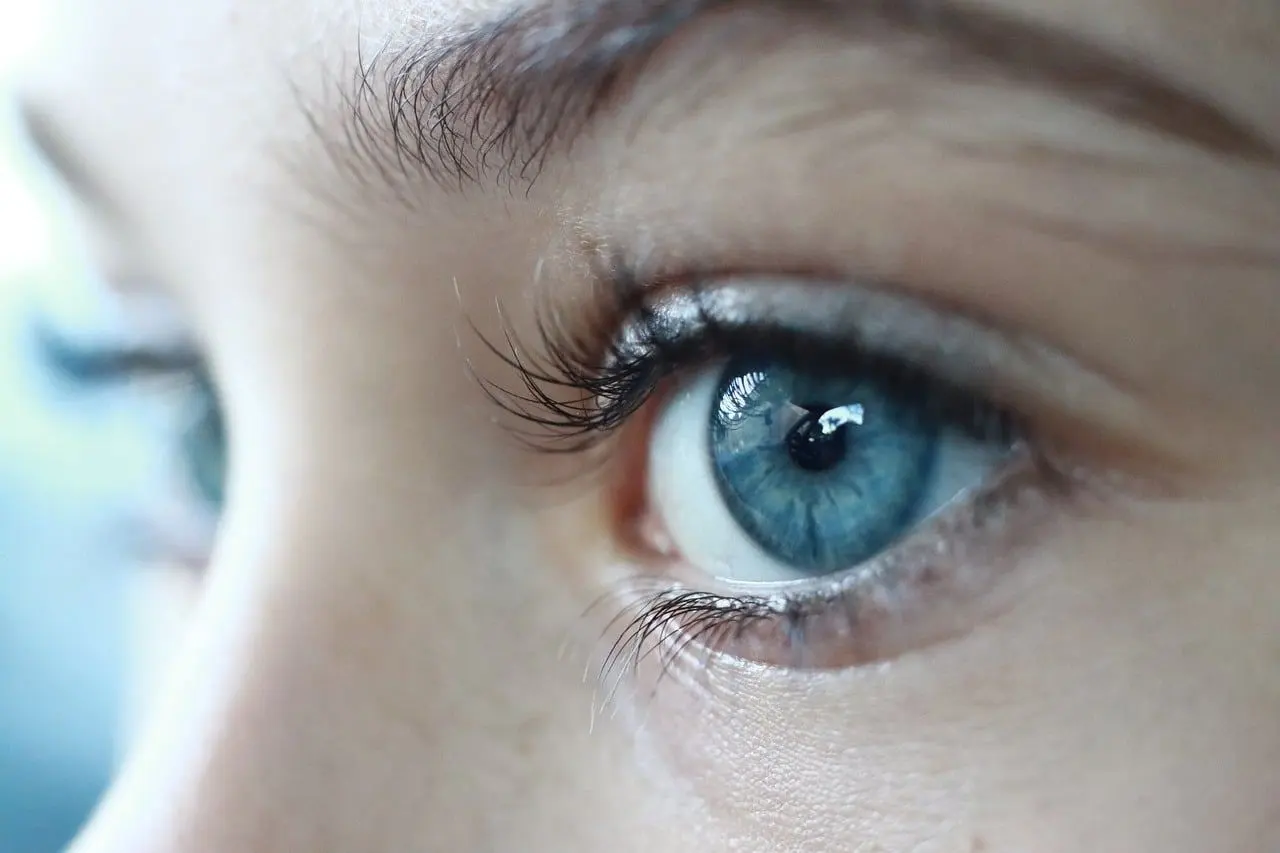

Hooded eyes usually come from loose skin, so face exercises for hooded eyes are unproven. You can still try gentle routines once an eye doctor has ruled out ptosis, but don’t expect them to reliably lift the hood.
This guide sits within our wider library of facial exercises, and it focuses on what the evidence can and can’t say about the eyelid area.
| Item | Value |
|---|---|
| Length of the Northwestern facial exercise study | 20 weeks |
| Session length in the study | 30 minutes |
| Exercises participants learned | 32 distinct facial exercises |
| Participants who did all the exercises | 16 of 27 participants |
| Raters’ estimated average age, start to week 20 | 50.8 years to 48.1 years |
These figures come from the Northwestern news report on its facial exercise study. Figures can change as new research appears, so check the source before you rely on them.
What actually causes hooded eyes?
Hooded eyes are usually dermatochalasis, a common genetic trait in which the skin below the eyebrows loosens and sags over the upper eyelids and lashes, as described on the All About Vision page published September 22, 2020. It is typically harmless, and the eyelids themselves are not affected.
That makes it different from ptosis, where the eyelid’s own function is weakened by an injury, a development before birth, or another condition. If your lids look lower but you can still open them normally, aging or poor sleep may be the reason, according to the same All About Vision page.
The distinction matters because exercises that suit a skin fold are not necessarily suitable for a muscle problem. Sorting out which one you have comes first.
What the research says about face exercises
As of the All About Vision page published September 22, 2020, there are no proven exercises that change the look of hooded eyes. The page notes that suggestions are plentiful, including massage, resistance exercises and face yoga.
The nearest evidence is a small pilot study reported by Northwestern Medicine on January 3, 2018. It involved women 40 to 65 years old, who learned 32 distinct facial exercises and did them for 20 weeks at sessions of 30 minutes.
Here is what the report says came out of it:
- Raters found that upper and lower cheek fullness was significantly enhanced.
- Their estimate of average age moved from 50.8 years to 48.1 years by week 20.
- Of the 27 participants initially recruited, 16 did all the exercises for the whole study.
Those results are about the cheeks and overall appearance, and the Northwestern report does not describe any change to hooded eyelids. The authors also named the small sample size and an all-middle-aged-women group as limitations.
One more detail: according to the JAMA Dermatology research letter, a coauthor founded Happy Face Yoga, whose regimen trained the participants. Treat the findings as a hint, not a verdict.
Exercises people suggest for hooded eyes
All About Vision says few eyelid exercises are scientifically proven, yet various ones have been suggested to improve the look of naturally droopy eyes. Some people may have more success than others, per the same page.
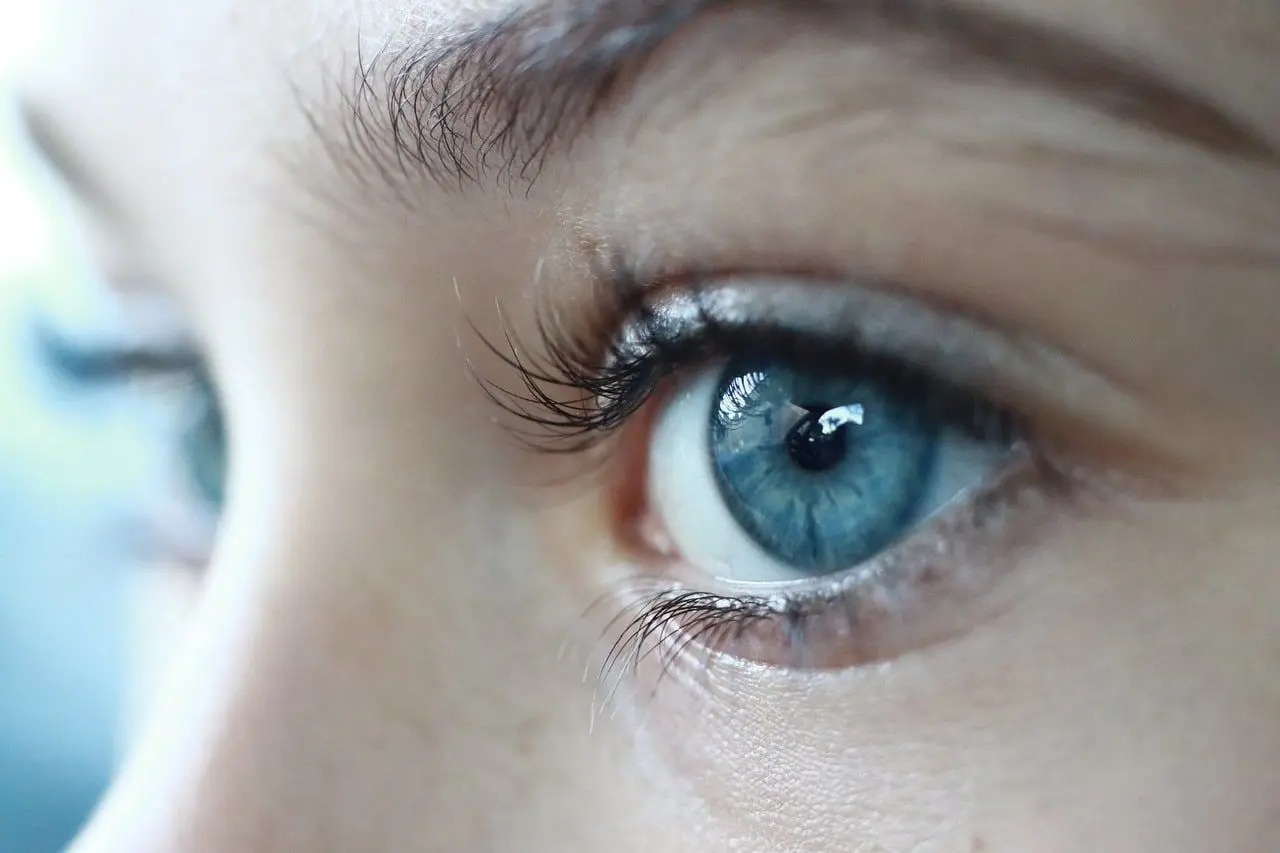
The routines it lists are:
- Form a circle around your eyes with your thumbs and index fingers, then switch back and forth between squinting and wrinkling the forehead.
- Open your eyes as wide as possible in several short bursts.
- Press your fingers on the forehead, then push the forehead upward against that resistance using your facial muscles.
- Squint repeatedly while one finger presses down at each corner of each eye.
- Open your eyes wide while sticking out your tongue, then relax back to rest.
Treat these as experiments rather than treatments. The page also advises you to check with your eye doctor before any self-treatment.
How to try a routine safely
If you want to experiment, a cautious approach keeps the downside small. Follow these steps in order:
- Rule out ptosis first. If one lid is lower than the other or will not open normally, book an eye exam before exercising.
- Pick one or two of the routines above rather than all of them.
- Use a light touch on the delicate eyelid skin and avoid dragging it.
- Keep sessions short and rest between bursts.
- Stop if you feel pain, notice a change in vision, or see more drooping.
- Take a photo in the same light each time so you judge change by comparison, not by memory.
Pacing helps your expectations, so read about how long to see results from face exercises before you commit. It also pays to skim these common face exercise mistakes so you avoid the easy ones.
When to see an eye doctor or look at other options
Book an appointment if your eyelids look droopier than normal, because an eye doctor can diagnose the cause and suggest a plan. The All About Vision page warns that ptosis can affect vision, may point to an underlying condition, and that strengthening the eyelid muscles will not usually improve it and could make it worse.
For true skin hooding, surgery is the route with published results. A 2019 report in Plastic and Reconstructive Surgery followed 66 patients who had subbrow blepharoplasty combined with periorbital muscle manipulation. It judged outcomes by patient satisfaction and before-and-after photographs, found lateral hooding was corrected, and recorded transient forehead numbness in eight cases.
That study tested an operation, not exercises, so it says nothing about what a routine at home could do. A surgeon can explain the risks and whether the approach suits your face.
Frequently asked questions
Can face exercises lift hooded eyelids?
Show answer
Nothing in the supplied research shows that they can. The only dated guidance, from the All About Vision page published September 22, 2020, says no exercise is proven to change how hooded eyes look, and the facial exercise study measured cheek fullness instead.
Is it risky to exercise the eyelids if I have ptosis?
Show answer
It can be. Working the eyelid muscles usually will not help ptosis and may worsen it, so get a diagnosis before you try anything, as the All About Vision page recommends.
Are hooded eyes a medical problem?
Show answer
Usually not. The same page calls the trait typically harmless, though a lid that has become noticeably lower than before deserves a check-up.
Should I expect quick changes from a facial exercise routine?
Show answer
The Northwestern team measured its participants only after a full 20 weeks of work, which suggests patience is part of the deal. Their news report also notes the findings need confirming in a larger study.