
You want a sharper lower face and wonder if facial exercises for jawline definition really work. Honestly, the evidence is thin: small studies show mixed results, so go in with modest expectations.
This guide sits within our wider look at facial exercises, focused on the jaw and lower face.
| Item | Value |
|---|---|
| Jaw exerciser use in a case report | Approximately three months |
| Price of each jaw exerciser in that report | Around $10 each |
| Session length in that report | Approximately 10 minutes, one to three times per week |
| Participants in a Pao device trial | Fifty females |
| Pao device routine in that trial | 30 seconds twice a day for 8 weeks |
These figures come from the Cureus jaw exerciser case report and the Aesthetic Surgery Journal Pao device study. Studies and products change, so check the sources before you rely on the figures.
What does the research say about jawline exercises?
Direct evidence for a sharper jawline is limited. In a Cureus case report, two people used a commercially available jaw exerciser for approximately three months, and neither noticed changes in jaw appearance. The authors also found limited evidence in the wider literature that these devices reduce double chins, enhance jawlines or tighten skin.
Research on facial exercise in general is mixed. A pilot study looked at a 20-week facial exercise program in middle-aged women. Cleveland Clinic reports that participants appeared about three years younger, but a dermatologist warned that the group was small and highly motivated, willing to do 30 minutes of facial exercises daily.
Why jaw exercisers may not change your jawline
The case report’s authors point out that the mastication muscles these devices train do not directly affect submental fat or skin elasticity, as the Cureus paper explains. Working the chewing muscles, in other words, is not the same as changing what sits under your chin.
Some earlier work took a different angle. According to the Aesthetic Surgery Journal paper, other exercises have aimed at eliminating a double chin while obtaining a more defined jawline by training the suprahyoid muscles.
The case report is also small. Its authors list the small sample size and the potential for bias as limitations, so a lack of change is a hint rather than proof.
What the Pao device study measured
In the Pao device study, fifty females performed facial muscle exercises for 30 seconds twice a day for 8 weeks. The device is held in the mouth and rocked by nodding the head so that its balance weights swing.
Jawline surface distances decreased significantly on both the right and left sides after the program. Lower facial surface areas and volumes were also significantly reduced, according to the same paper.
Treat that with care. The paper itself notes that most earlier studies used nonquantitative tools, and a smaller jawline surface measurement is not the same as a visibly sharper jaw you can see in a mirror.
A gentle jawline massage routine
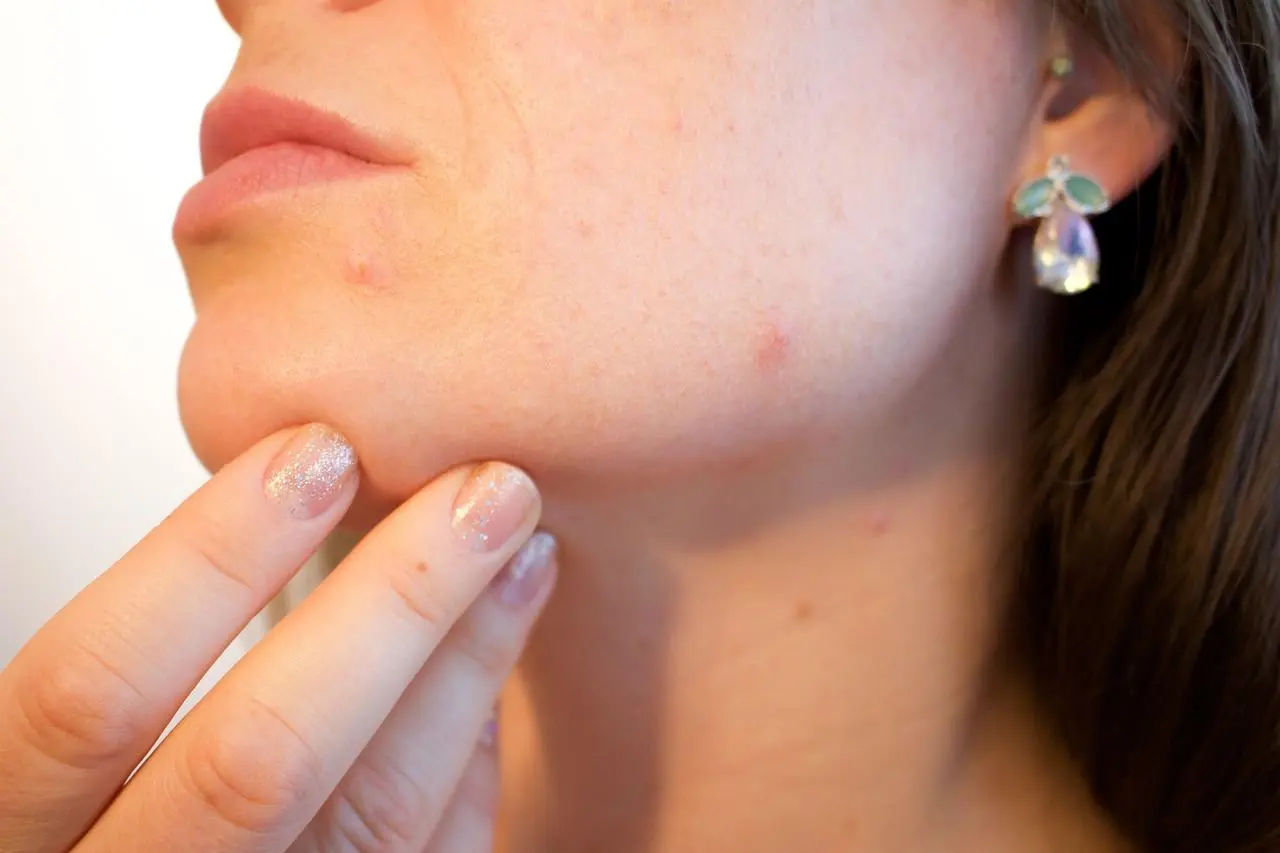
Massage is not strengthening, but Cleveland Clinic describes a jawline sequence you can try. Wash your hands and face first, then follow these steps:
- Bring your fingertips to your chin and gently sweep your hands up, just above your jawline toward your earlobes.
- Use your thumb and index finger to gently pinch along your jawline, from your chin to the bottom of your earlobes.
- With your mouth closed and your jaw relaxed, massage your TMJ in circles, clockwise a few times and then counter-clockwise.
For each move, Cleveland Clinic suggests completing it up to three times before going on to the next. A massage therapist quoted there says a gentle massage may not magically erase laugh lines, but it can give your skin a healthy boost.
The same page says face massage isn’t recommended if you have redness, open sores or bruising on your face. Talk with a healthcare provider if you’re unsure whether it suits you.
Setting realistic expectations
Before you spend money or time, weigh a few things:
- Marketing claims may run ahead of the evidence. The case report highlights concerns about potentially misleading marketing claims and calls for larger, more objective studies (Cureus).
- Photos help you judge honestly. The two people in that report documented their progress with before and after pictures.
- Your goal matters. If under-chin fullness is what bothers you most, our guide to facial exercises for double chin looks at that concern on its own.
If you decide to try moves anyway, a steady plan beats sporadic effort. Our face exercises routine guide shows how to fit short sessions into a normal week.
Frequently asked questions
Do facial exercises for the jawline work?
Show answer
Nobody can promise it. Measured changes appeared in the Pao device trial, while the jaw exerciser case report saw nothing, and neither study settles the question.
Can jaw exercises remove a double chin?
Show answer
The case report’s authors found limited support for that idea, noting that the chewing muscles involved are separate from submental fat. See the Cureus paper for their reasoning.
How long before I might see a change?
Show answer
No source here gives a dependable timeline. The Pao trial ran for 8 weeks, and the case report lasted about three months.
Do I need special equipment?
Show answer
The massage steps use only your hands. Cleveland Clinic says you can use lotion or oil if you choose, but it’s not necessary if you don’t have any handy (source).