Not sure how to start a facial massage technique that’s safe for your skin? Use clean hands, a little oil or serum, light pressure and slow strokes. Keep sessions short and stop if your skin feels irritated.
This guide belongs to our skincare habits collection, so it pairs well with the other routines there.
| Item | Value |
|---|---|
| Trial participants (roller vs gua sha) | 34 female patients |
| Session format in the trial | 10-minute sessions |
| Session frequency in the trial | 5 times per week |
| Trial length | 8 weeks |
| Skin elasticity gain in the roller group | 8.6% (gross) and 7.5% (biological) |
| Blood flow after a 5-minute roller facial | Raised for at least 10 minutes |
These figures come from Dermatology Times and Healthline. Research figures can change as new studies appear, so check the sources before you rely on them.
What does facial massage actually do?
Many people reach for facial massage to relax and to get a healthy-looking glow, but the evidence is still thin. Healthline points out that many of the claimed benefits have not been proven in scientific studies, so treat it as a low-risk habit rather than a treatment (Healthline).
Small studies do hint at short-term effects. In one small 2018 study, people who had a 5-minute facial with a massage roller showed increased blood flow for at least 10 minutes afterward. A small 2025 study also found that both gua sha and face rollers improved facial contour measurements (Healthline).
The Cleveland Clinic’s massage therapist describes the practical upside this way: a gentle massage can give skin a boost even if it won’t magically erase your laugh lines (Cleveland Clinic). Think of it as a calming ritual with possible cosmetic extras.
Prepare your skin and hands first
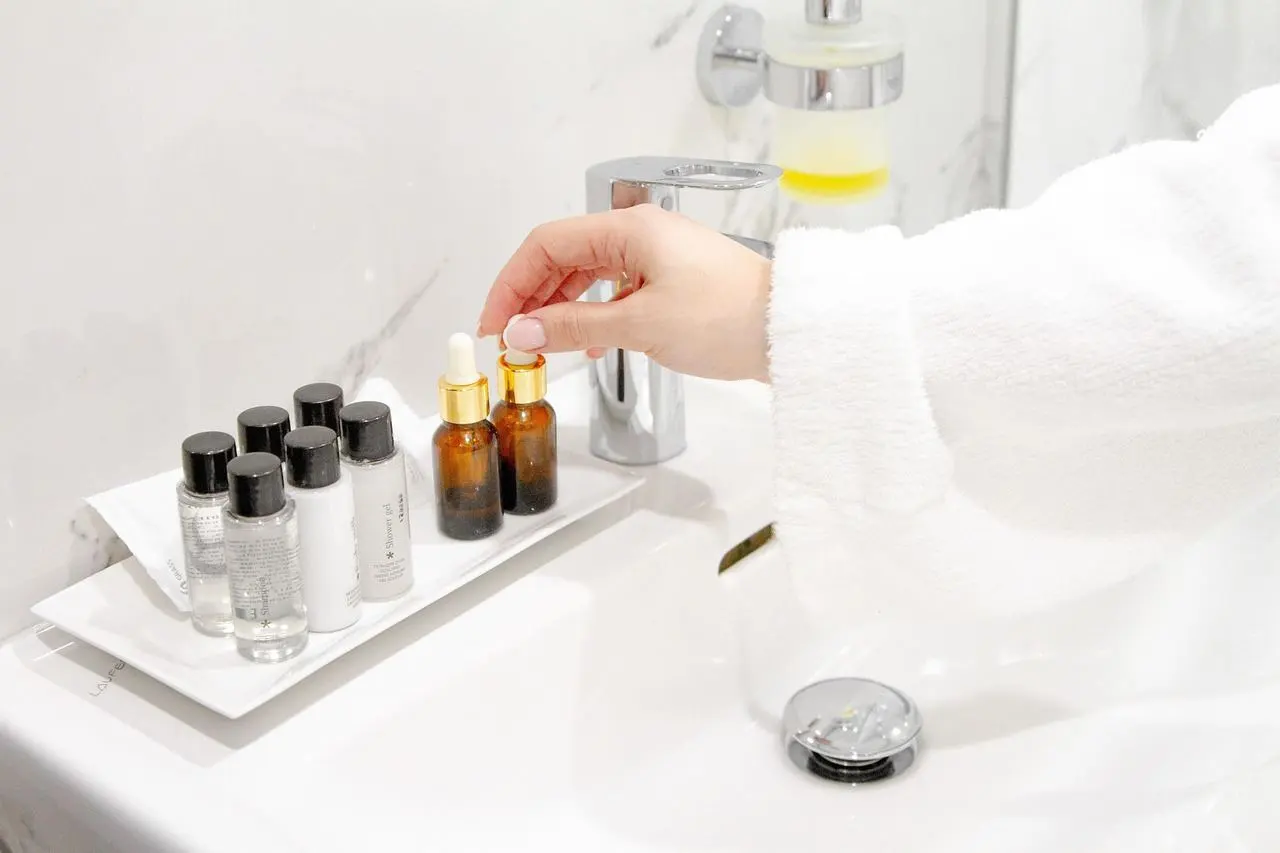
Good prep keeps the glide smooth and your skin comfortable. Healthline advises you to clean your face and hands before beginning, then use a small amount of serum, oil or cleansing balm so your fingers move easily (Healthline).
Cleveland Clinic treats a slippery product as optional: lotion or oil is fine if you have it, but the massage can go ahead without it (Cleveland Clinic). Pick something you already tolerate well, and skip anything new on the day you start.
A step-by-step facial massage technique
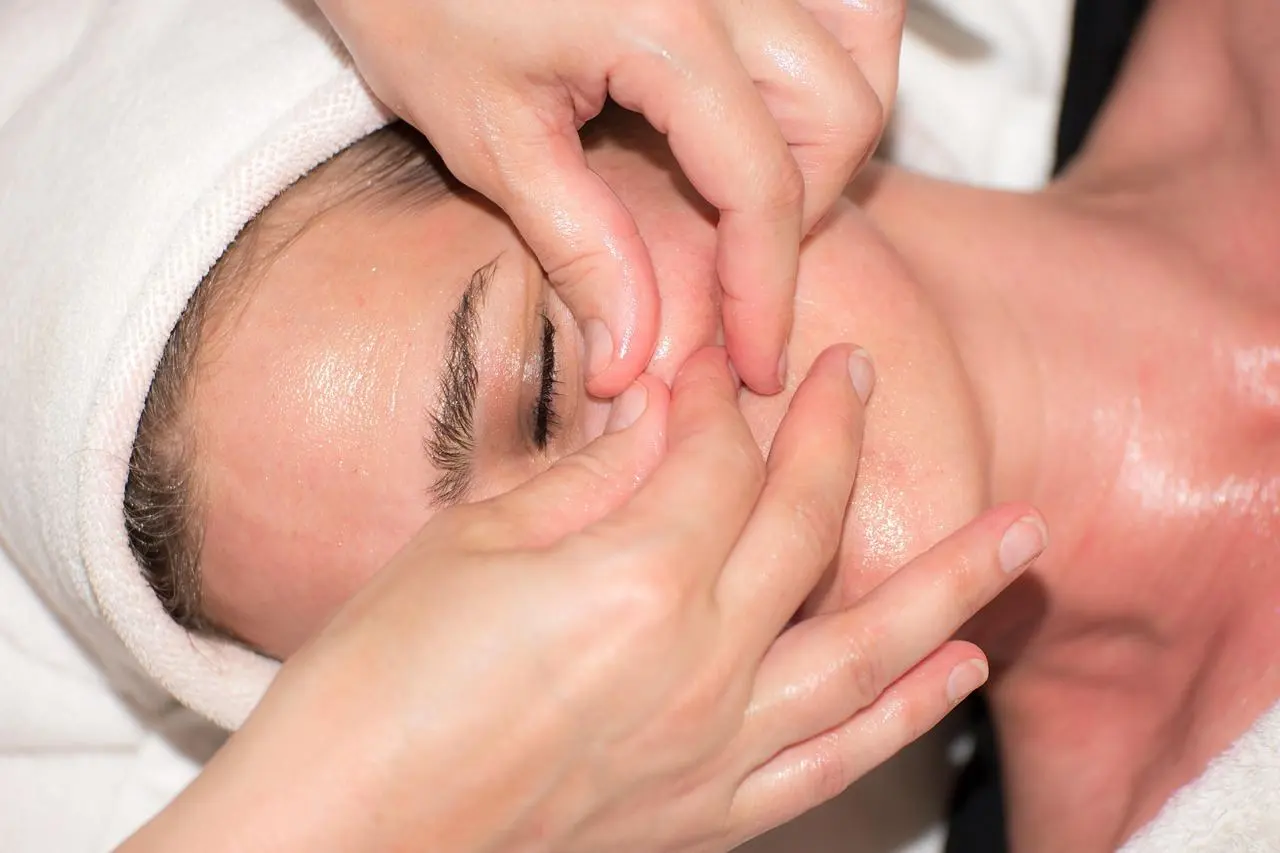
Keep your touch light and your movements slow. Cleveland Clinic suggests completing each movement up to three times before you move to the next one (Cleveland Clinic). The sequence below combines moves from Cleveland Clinic and Healthline.
- Place your hands at the base of your neck and sweep lightly between your neck and collarbone, slowly moving toward the midline.
- Bring your fingertips to your chin and sweep up, just above your jawline, toward your earlobes.
- Use your index and middle fingers to press under your cheekbones, moving from the center of your face toward your temples.
- Press and glide your ring fingers along your brow bone, from the inner corner to the outer corner.
- Gently pinch both eyebrows between your thumb and forefinger, working from your nose out to your temples.
- Sweep your fingertips over your forehead from your nose toward your temples, starting at the eyebrows and moving up toward the hairline.
- Finish by gently tapping your fingertips over all areas of your face.
If a stroke tugs or stings, lighten your pressure or skip that area. The aim is a relaxed face, not a flushed one.

What studies say about rollers and gua sha
The most detailed recent look is a randomized controlled trial of 34 female patients. Each person used either a facial roller or a gua sha, with facial oil, in 10-minute sessions 5 times per week for 8 weeks (Dermatology Times).
The two tools did different things. Skin elasticity improved by 8.6% (gross) and 7.5% (biological) in the roller group, while the clearest muscle-tone reductions showed up in the gua sha group (Dermatology Times).
Treat those results with care. The trial was small, and its authors say longer follow-up is needed to learn what happens past the 8-week mark (Dermatology Times).
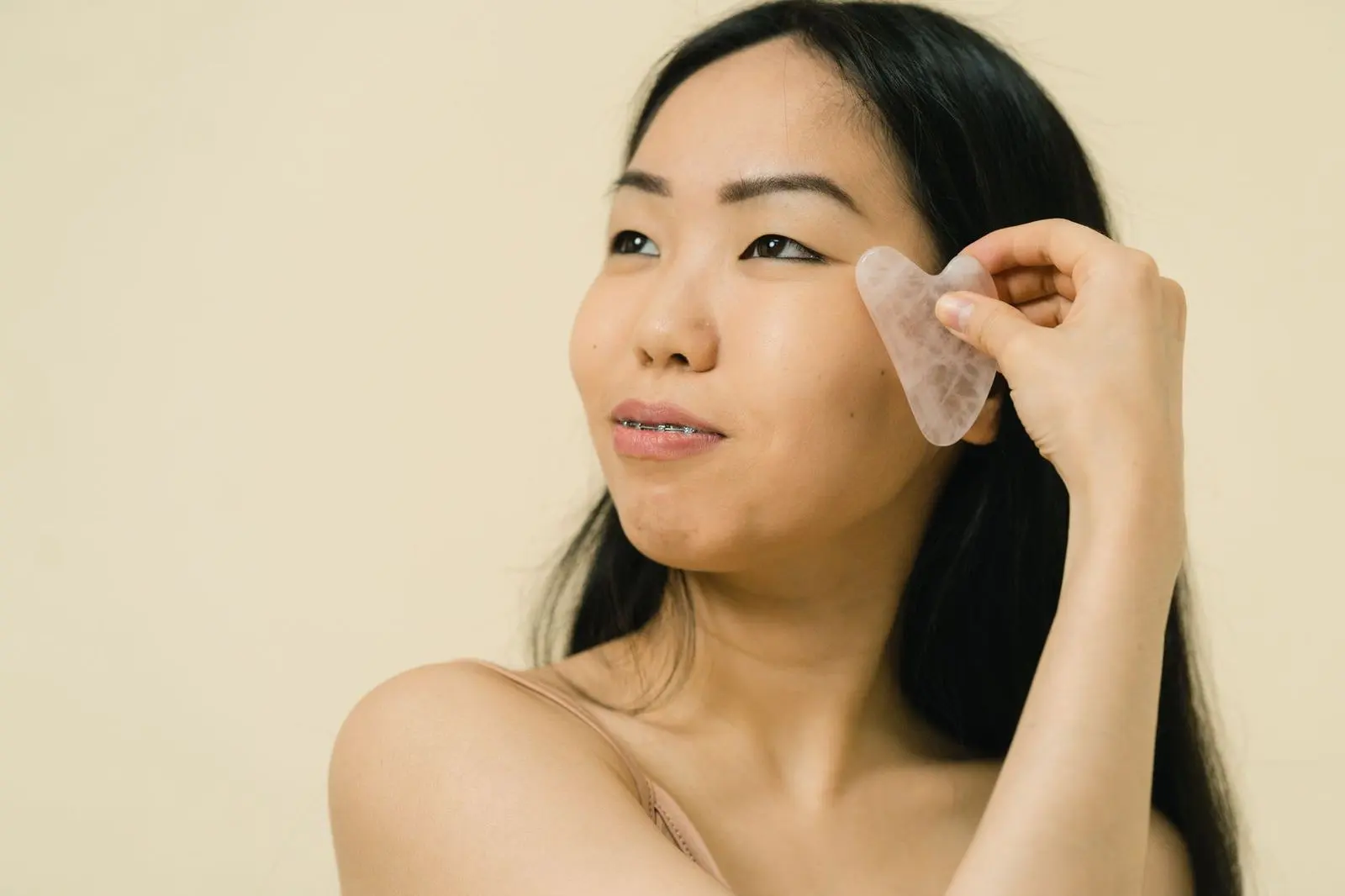
If a tool appeals to you, read about how to use a gua sha before you pick one up: how to use a gua sha covers the strokes in detail.
When to skip it or see a professional
Facial massage isn’t right for every day or every face. These are the main cautions from the sources:
- Cleveland Clinic says face massage isn’t recommended if you have redness, open sores or bruising on your face, and suggests asking a healthcare provider if you’re unsure (Cleveland Clinic).
- For specific medical concerns such as acne, TMJ or scar reduction, Healthline recommends contacting a doctor or massage therapist (Healthline).
- Jaw tightness and clenching are common stress spots, and Experience Life notes that facial muscles hold tension in the jaw, brow and temples (Experience Life).
A professional can tailor the massage to your needs and suggest extra treatments, which is more than a generic home routine can do.
Fit it into your routine
The easiest slot is the end of the day, when you’re already winding down, so add it to your night skincare routine as a calm final step. Healthline suggests following a facial massage with products that support your skin’s condition (Healthline).
Start with a few minutes and build up only if it feels good. Consistency matters more than intensity, and a short, gentle routine is easier to keep than an ambitious one.
Frequently asked questions
How hard should I press?
Show answer
Use a featherlight touch for the neck and lymph-focused sweeps, because the lymphatic system sits close to the skin and doesn’t need force. Pressing harder is not the goal (Cleveland Clinic).
Do I need oil or serum?
Show answer
A little slip makes strokes more comfortable and stops your fingers dragging on the skin, but nothing is mandatory. With clean hands and a clean face, you can still go ahead if your shelf is empty (Cleveland Clinic).
Can massage clear sinus pressure?
Show answer
Some people feel relief from congestion or pain after massaging parts of the face. It won’t treat the underlying cause, such as an infection, so see a clinician if symptoms persist (Healthline).
Is massage enough for long-term wrinkle prevention?
Show answer
It gives a quick boost, but a dermatologist quoted by Cleveland Clinic points to other evidence-based options for the long term. Ask your healthcare provider about skin care products, supplements or injections (Cleveland Clinic).